
Before surgery
- Stop taking blood thinners one week before surgery in consultation with the doctor responsible for that treatment, unless the surgeon has stated otherwise.
- Other medications can be taken as usual, including on the day of surgery.
- For hand surgery, rings should be removed from the operated hand 2 days before surgery. Remove nail polish from fingers, remove all jewelry, and shower the morning of surgery.
- Do not apply oils or creams to your body and do not use perfume.
- It is best to come in comfortable clothing that is easy to take on and off.
- You don't have to fast.
- Keep your phone with you before the procedure because you may be called and the procedure may be expedited or delayed.
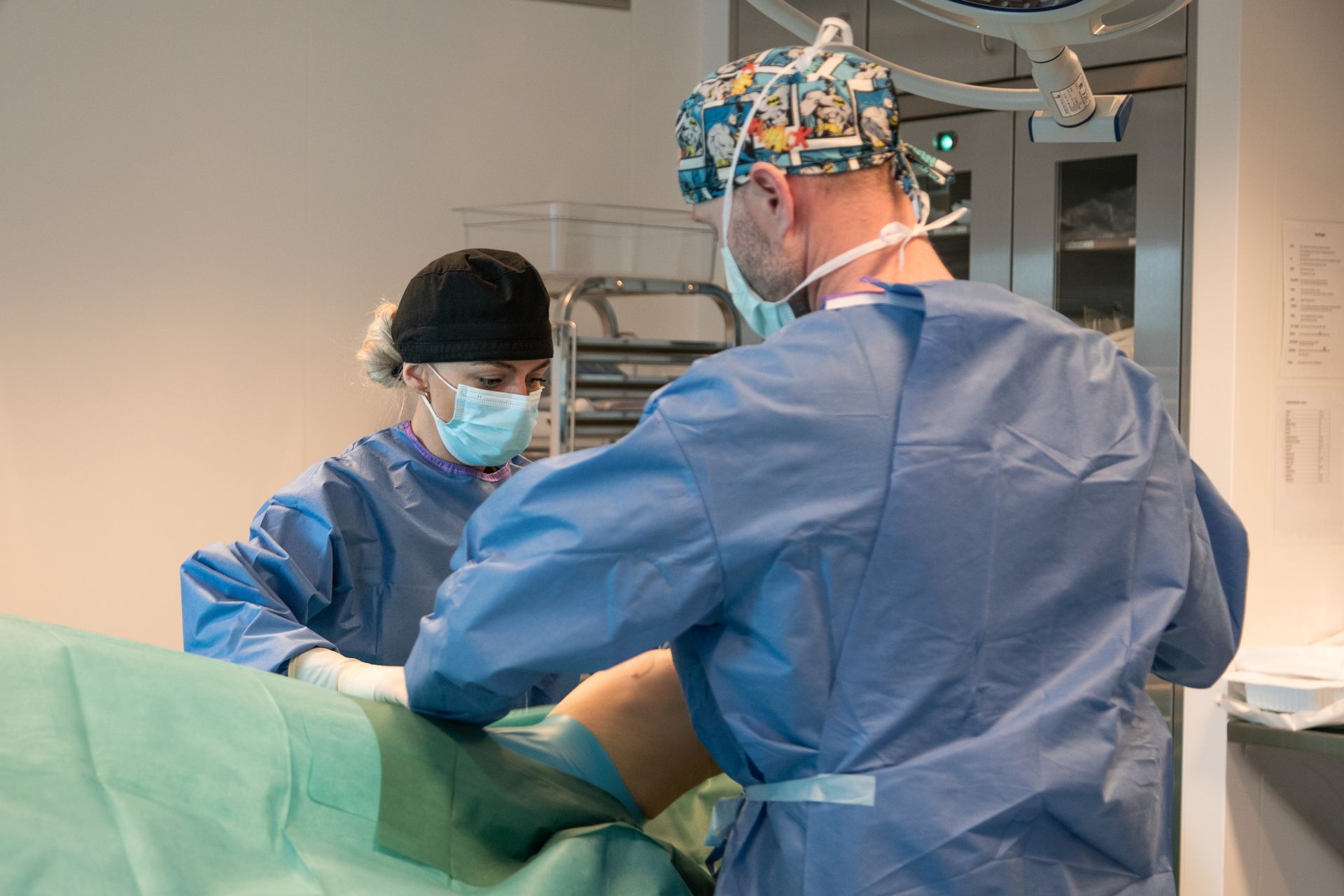
- When you arrive at the operating room corridor of the Energy House, you will meet the surgeon, who will anesthetize you.
- While you are waiting for your procedure, you can check your phone or listen to content from it, if you have small headphones with you. Talking on the phone or taking pictures is not allowed in the operating room corridor.

After surgery
- After surgery on your hands, you will walk off the operating table and go straight home.
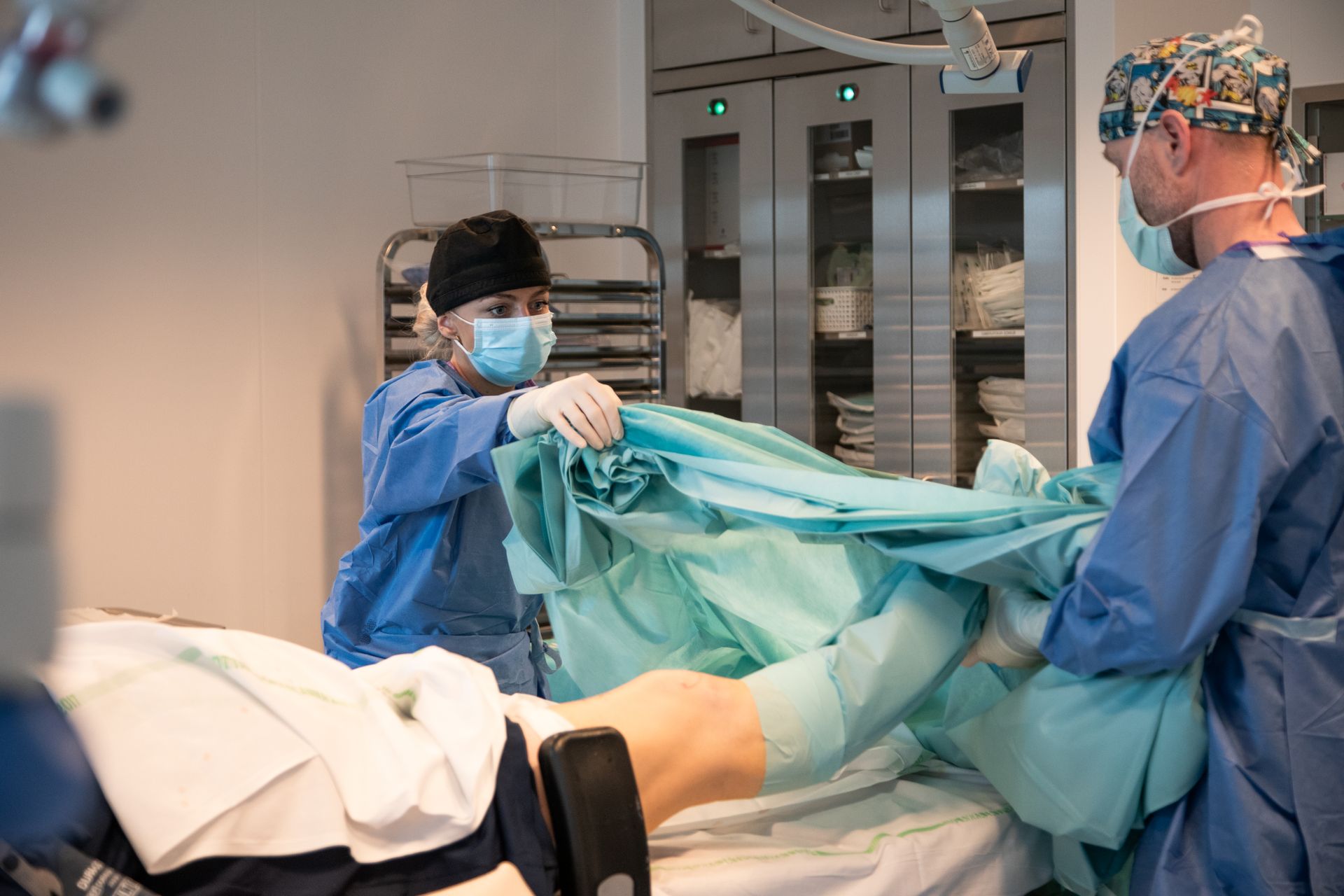
- After surgery on your legs, you will recover in a side room in the operating room at Orkuhús before going home.
- You are advised not to drive a vehicle the day after surgery.
- It is a good idea to keep the limb elevated as much as possible in the first few days after surgery to reduce swelling.
- There will be some discomfort from the surgical area in the first few days or weeks. Usually, taking the painkiller Panodil and anti-inflammatory drugs such as Ibufen is enough. The drugs are available without a prescription. In other cases, the surgeon will prescribe stronger drugs.
- You can shower, but the dressing must be protected with a plastic bag. After minor operations on the hands, however, the wound can be briefly rinsed with clean, running water from the third day after surgery.
- If anything unexpected occurs, such as severe pain, heavy bleeding, or a high body temperature, contact your surgeon.